1 Step to Compelling Tourism Photography
Every tourism business needs photographs. Lots and lots of photographs. But not every photo is equally compelling.
As I look through tons of destination and tourism websites, I notice a theme. Where are the people? Your new water park is amazing. Why is it empty? That playground must be wonderful fun, but I don’t see any children in your photo.
I think we get caught up in the idea that we want to feature the thing, the infrastructure. What really sells is social proof, the idea that if other people like it, it’s probably good. That’s why we want to go the restaurant that has a crowd, to see the popular movies, and to read the book four friends said was outstanding. While it isn’t perfect, our brains tend to work this way. You might as well work with it, rather than against it, when you promote your destination.
Putting people in your pictures gives you instant social proof. It draws your potential visitor into the story.
Here are a couple of picture pairs for comparison. In each, think about the one that seems friendlier, the one you can see yourself visiting.
First, the Driskill Hotel in Austin, Texas, with no people. A lovely photo of a by-gone age of elegance.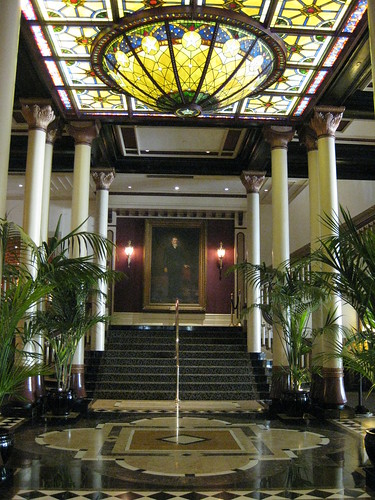
And here is the Driskill with a few people. Seriously, I could not have ordered a better person than the guy with the bowtie and suspenders. He seems connected to a different era. Perfect for the historic hotel.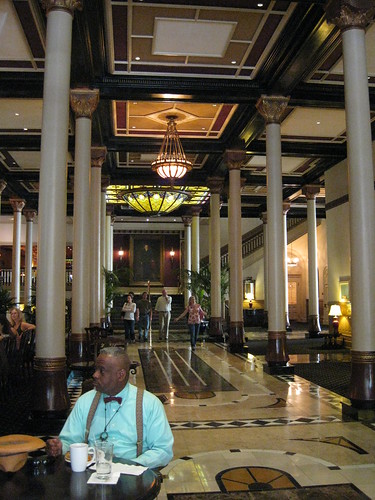
Second, here is a beach with a lighthouse in the distance, at Arawack Cay, west of Nassau, Bahamas. The sunset colors are beautiful.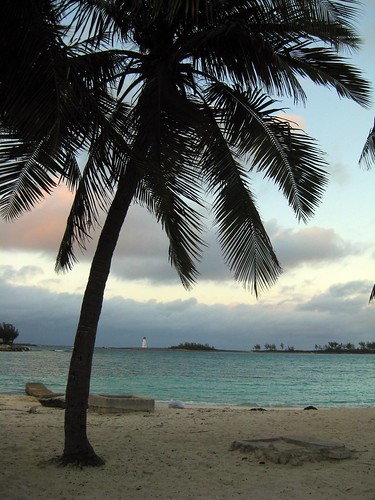
A few steps down the beach, here are a father and son feeding the gulls. Suddenly, there is a human story, an activity, an interest.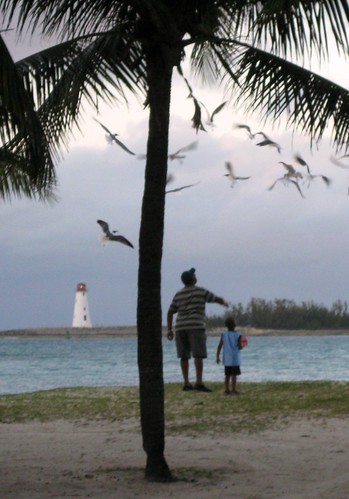
A photo with people is able to tell a story. That’s a story the thing alone could never provide.
Take a quick survey of your tourism website (or printed materials). How many pictures include people? An occasional “empty” shot is fine, as long as you don’t give the impression that you’re promoting a ghost town.
Side question: do you need permission from the people in your photos?
I would say you usually do not for basic tourism work, but it never hurts to have them. This is a subject of legal debate, so I’ll defer to someone with far more experience than I have, professional photographer Brenda Tharp, at BetterPhoto.com, Photographic Model Release Forms: When You Need Them, When You Don’t.
In my example photos above, only one person is identifiable, Mr. Bow Tie. The other people are either too far away, or turned the other direction, and are not identifiable.
New to SmallBizSurvival.com? Take the Guided Tour. Like what you see? Get our updates.
- About the Author
- Latest by this Author

Becky started Small Biz Survival in 2006 to share rural business and community building stories and ideas with other small town business people. She and her husband have a small cattle ranch and are lifelong entrepreneurs. Becky is an international speaker on small business and rural topics.




I traveled to Greece and on my second trip there, my traveling companion insisted either him or I were in the pictures we took. What a difference it made for my memories!
The stories really do make the picture. Great post Becky.
Deb, visitors like you are a great source of photos for destinations. :)
Meilee Anderson emailed me with this comment:
I totally agree with you Becky! People bring life to the pictures. It’s the people that help tell stories.
Cheryl Smithem, @ConnectionMaven, commented on Twitter:
Interesting to feature ppl in tourism photos. Old ‘saw’ is viewers want to see themselves in them, not strangers.
I can where that would apply to situations where you are selling seclusion: deserted beaches, inside of hotel rooms, etc.
On the other hand, there are situations where you are selling popularity, fun, interaction, etc. Examples would be festivals, events, water parks, entertainment, etc.
Small towns have to be careful they don’t make themselves look like ghost towns.
Overall, it seems different people will prefer each alternative, and that makes me think a mix of peopled and empty photos would work best.
Is anyone aware of actual user research on the effectiveness of different types of photos in tourism promotion?
This comment has been removed by a blog administrator.